This article provides educational information about vehicle safety recalls and consumer rights. It is not legal advice and does not create an attorney-client relationship. Consult with a qualified attorney regarding your specific situation.
Understanding Vehicle Safety Recalls
Vehicle safety recalls occur when manufacturers or the National Highway Traffic Safety Administration determine that vehicles contain safety defects or fail to meet federal safety standards. Recalls affect millions of vehicles annually, ranging from minor issues to serious defects creating substantial injury risks. Understanding how recalls work, your rights when your vehicle is recalled, and remedies when recalls fail protects your safety and legal interests.
Safety defects are problems creating unreasonable risks of crashes, injuries, or deaths. Defects may involve any vehicle system including brakes, steering, fuel systems, airbags, seat belts, structural integrity, or electronic systems. Not all vehicle problems trigger recalls. Recalls address defects presenting safety hazards rather than mere quality or reliability issues.
NHTSA authority over vehicle safety includes establishing safety standards, investigating potential defects, requiring manufacturers to conduct recalls, monitoring recall effectiveness, and taking enforcement action against manufacturers failing to meet safety obligations.
Manufacturer recall obligations begin when manufacturers determine or NHTSA identifies that vehicles contain safety defects. Manufacturers must notify NHTSA within five days of determining defects exist, provide detailed defect information, identify affected vehicles, and propose remedy plans.
The Recall Process
Understanding recall processes helps you navigate recall situations and ensure proper repairs.
Defect identification occurs through various means including manufacturer quality monitoring, consumer complaints to NHTSA, crash investigations, dealer reports, and manufacturer testing programs. When patterns emerge suggesting safety defects, investigations begin determining whether recalls are necessary.
NHTSA investigations evaluate potential defects through petitions requesting investigations, consumer complaint analysis, early warning reporting data from manufacturers, and formal defect investigations. NHTSA may require manufacturers to conduct recalls or manufacturers may voluntarily initiate recalls.
Owner notification must occur once recalls are ordered. Manufacturers must send notices by first-class mail to registered owners at addresses from vehicle registration records. Notices must describe defects clearly, explain associated risks, outline available remedies, indicate that repairs are free, and provide information for obtaining repairs.
Recall notice timing rules and typical windows can change, so confirm current requirements with NHTSA or an attorney rather than relying on any specific number of days cited here. Some recalls occur years after vehicles were manufactured when defect patterns become clear, and severe safety risks can accelerate the notification process.
Your Rights in Recall Situations
Recall situations create important consumer rights ensuring safety and proper remedies.
The right to free repairs means manufacturers must remedy safety defects at no cost to consumers. Free repairs include parts, labor, and any other costs associated with recall remedies. Manufacturers cannot charge for recall repairs even if vehicles are outside warranty periods or have high mileage.
The right to timely repairs requires manufacturers to perform recall repairs within reasonable times. Excessive delays in obtaining parts or scheduling repairs violate manufacturer obligations. When delays occur, manufacturers should provide alternative transportation or other accommodation.
The right to adequate remedies means repair solutions must effectively address safety defects. Inadequate recall remedies that fail to fix problems violate manufacturer obligations. When recall repairs prove ineffective, manufacturers must develop better solutions.
The right to alternative remedies exists when repairs are impossible or impractical. If parts are unavailable, if effective repairs cannot be developed, or if recalls affect essential components that cannot be adequately repaired, manufacturers may need to offer buybacks or alternative compensation.
The right to loaner vehicles or rental cars during repair varies by state law and manufacturer policy. Some states require loaner vehicles for significant safety defects or repairs taking extended time. Even without legal requirements, many manufacturers provide loaners during lengthy recall repairs.
Common Recall Defect Categories
Certain defect types appear frequently in recalls, creating recognizable patterns. These are also the categories of defects most likely to cause or contribute to a serious motor vehicle collision.
Airbag defects represent some of the most serious recalls. Takata airbag inflator ruptures caused deaths and injuries affecting tens of millions of vehicles. Airbag non-deployment when crashes occur or unintended deployment during normal driving both create serious hazards. Airbag system defects continue affecting many vehicles requiring recalls.
Brake system defects including brake line corrosion, master cylinder failures, vacuum assist problems, and anti-lock brake system malfunctions create obvious safety hazards. Brake recalls typically receive high priority given the critical safety role brakes play.
Fuel system defects causing fuel leaks, fire risks, or fuel pump failures endanger occupants and create fire hazards. Fuel system recalls range from minor seal issues to serious problems creating significant fire risks.
Steering defects allow loss of steering control, clearly creating substantial crash risks. Steering component fractures, power steering failures, or steering gear problems commonly result in recalls.
Engine stalling defects cause vehicles to lose power unexpectedly. Stalling creates collision risks when vehicles lose power in traffic, on highways, or in other dangerous situations.
Electrical system defects can cause various problems from non-functioning safety systems to actual fire risks. Battery issues, wiring problems, or control module failures may trigger recalls depending on safety implications.
Structural defects affecting crashworthiness compromise occupant protection in crashes. Frame weaknesses, improper welds, or insufficient crash energy management may require recalls to address safety concerns.
When Recalls Fail: Inadequate Repairs
Sometimes recall repairs fail to adequately address safety defects, creating ongoing risks and legal issues.
Multiple repair attempts for same recall indicate inadequate recall remedies. When vehicles require repeated recall repairs for the same problem, recall solutions may be ineffective. Manufacturers must develop better repair procedures when initial recall remedies prove inadequate.
Continuing problems after recall repairs mean defects persist despite manufacturers claiming repairs were completed. Document continuing symptoms and notify manufacturers that recall repairs failed. Demand additional repairs or alternative solutions.
Parts unavailability delays recall completion. When recall parts are unavailable for extended periods, safety risks continue. Manufacturers must expedite parts production or provide interim solutions like loaner vehicles or buyback offers.
Dealership refusal to perform recalls may occur with controversial repairs that dealers consider difficult or unprofitable. Federal law prohibits selling new vehicles subject to open recalls, but some dealers resist performing recall repairs on customer vehicles. Report dealer refusal to manufacturers and NHTSA.
New problems created by recall repairs sometimes occur when recall repair procedures cause other issues. Manufacturers remain responsible for problems their recall repairs create and must address them at no cost.
Recalls, Crashes, and Injury Claims
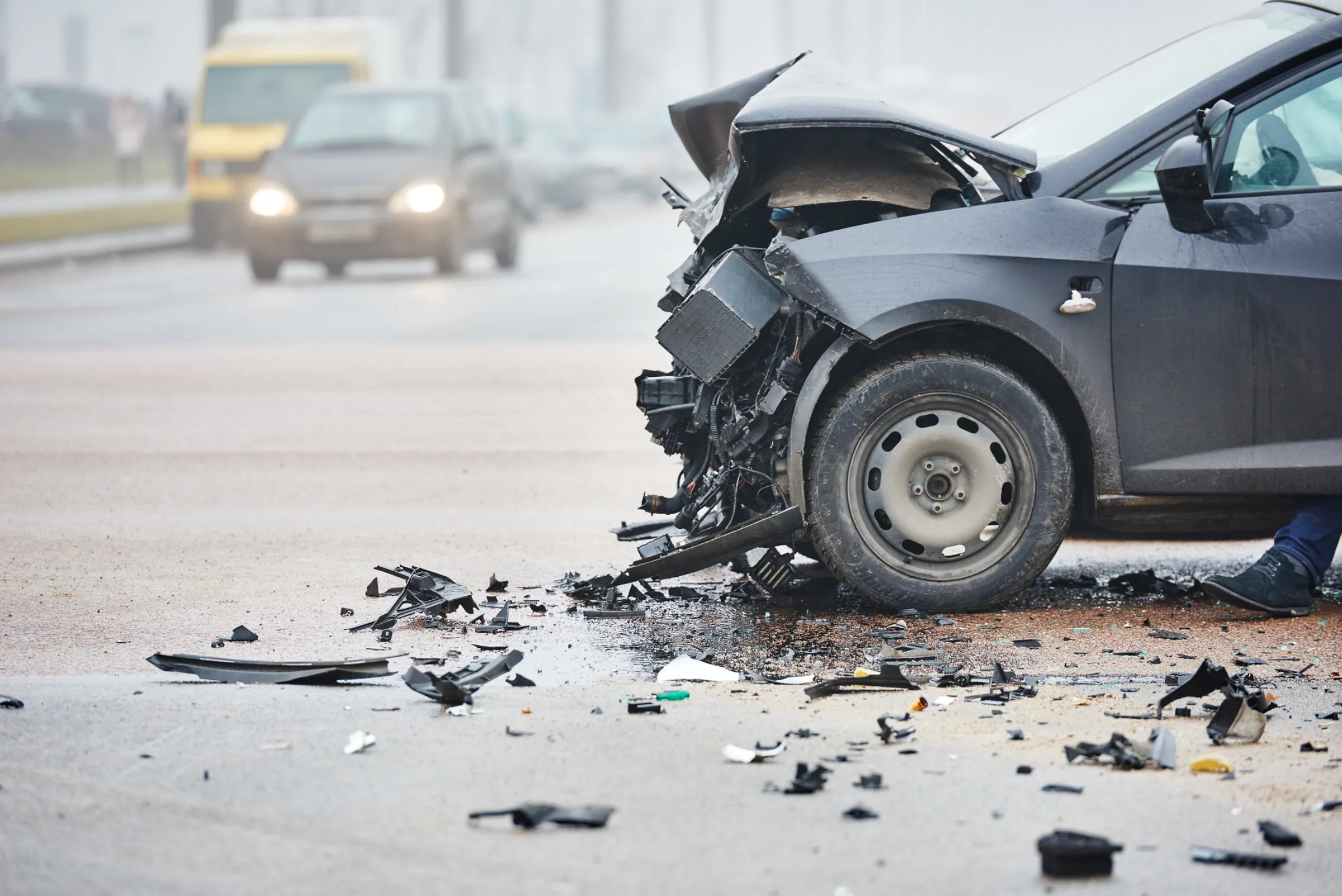
An unrepaired or improperly repaired safety recall that contributes to a crash raises issues beyond a simple repair dispute.
If you were involved in a collision and later learn your vehicle, or the other vehicle involved, was subject to an open safety recall affecting brakes, steering, airbags, tires, or another safety-critical system, that recall history can become an important piece of evidence in an injury claim. It may help establish that a defect, not just driver conduct, contributed to the crash or to the severity of your injuries.
Airbag non-deployment or unintended deployment during a crash should be documented as part of any accident investigation. Photograph the airbag system, keep the vehicle available for inspection if possible, and mention the recall history to any attorney evaluating your claim.
Preserving the vehicle after a crash matters. Repairing or scrapping a vehicle before it can be inspected may eliminate evidence needed to connect a recall defect to what happened in the collision.
These situations often involve both a potential claim against the at-fault driver and a separate line of inquiry into manufacturer or recall-related liability. An attorney handling your injury claim can evaluate whether recall history is relevant to your case.
Recalls and Lemon Law Protection
Recall repairs interact with lemon law protections when recall remedies repeatedly fail.
Recall repairs count as repair attempts for lemon law purposes. If your vehicle requires multiple recall repair attempts addressing the same safety defect without success, these count toward lemon law repair attempt thresholds.
Safety defect severity strengthens lemon law claims. Recalls by definition involve safety defects. Safety impairment is clearly substantial when defects are serious enough to trigger recalls.
Multiple recall repairs for same defect support substantial impairment arguments. Vehicles requiring several unsuccessful recall repairs clearly demonstrate manufacturers cannot adequately repair defects, supporting lemon law buyback or replacement claims.
Lemon law coverage periods typically cover recalls for defects manifesting during coverage periods even if actual recall announcements occur later. What matters is when defects first manifested, not when recalls were issued.
Your Responsibilities in Recalls
While manufacturers have primary obligations, vehicle owners also have responsibilities.
Responding to recall notices promptly protects your safety and preserves rights. Delays in pursuing recall repairs may complicate later legal claims if defects cause harm, including harm suffered in a crash.
Keeping manufacturer updated on address changes ensures you receive recall notices. Manufacturers send notices to addresses from vehicle registration records. Update vehicle registrations when moving to ensure notices reach you.
Following recall instructions about vehicle use keeps you safe. Some recalls advise limiting use or avoiding certain driving conditions until repairs are completed. Follow manufacturer guidance to minimize risks.
Documenting recall repairs creates records proving compliance if issues arise. Keep copies of recall notices, repair orders showing recall work, and communications about recalls.
Checking for open recalls periodically using NHTSA’s VIN lookup tool or manufacturer websites identifies recalls you may have missed. Not all recall notices reach owners, making periodic checks important, and it is worth checking any vehicle involved in a crash for open recalls as part of understanding what happened.
Filing Complaints About Recalls
When manufacturers fail to properly handle recalls, file complaints with appropriate agencies.
NHTSA complaints about recall issues create federal records and may trigger investigations. File complaints at SaferCar.gov describing defects, manufacturer responses, and problems with recall processes.
State attorney general complaints address manufacturer violations of state consumer protection laws. Recall-related fraud, misrepresentation, or failure to honor obligations may violate state laws.
Manufacturer customer service escalation may resolve recall issues without formal complaints. Contact manufacturer headquarters when local dealers fail to properly handle recalls.
Legal Action for Recall-Related Harm
When recalls cause injuries, property damage, or other harm, legal remedies may be available.
Product liability claims for injuries from defects that should have been recalled provide compensation for medical expenses, lost wages, pain and suffering, and other damages. Successful product liability claims require proving defects caused injuries.
Failure to recall claims allege manufacturers knew of defects but failed to initiate timely recalls. If evidence shows manufacturers concealed defects or delayed recalls, enhanced damages may be available.
Inadequate recall claims assert that manufacturers knew recall remedies were ineffective but continued using them. Continuing harm from inadequate recalls may support liability claims.
Class action participation may be available when recalls affect many consumers similarly. Class actions can force better recall remedies and provide compensation to all affected owners.
This educational article provides general information about vehicle safety recalls and is not intended as legal advice for any specific situation. Recall situations and applicable laws vary. Consumers experiencing recall-related problems, including those injured in a crash involving a recalled vehicle, should consult with qualified attorneys who can evaluate their specific situations and provide personalized legal guidance.
Ready to Discuss Your Case?
Contact us today for a free, confidential consultation. Call 855-758-7949 or visit shatterfirm.com/contact. No fees unless we win.